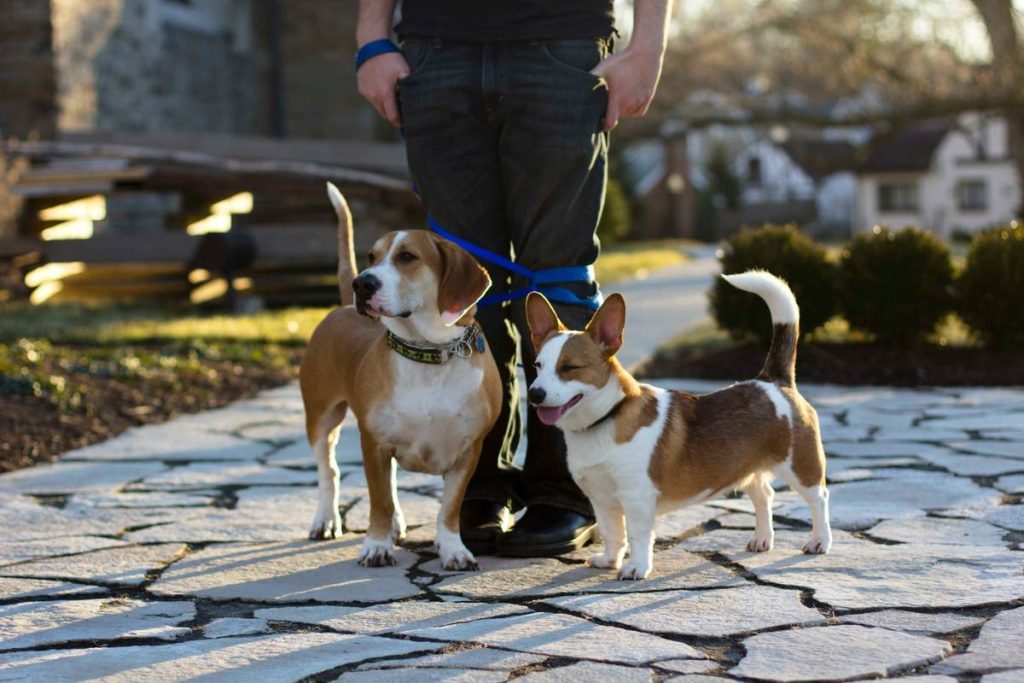
Ever walked out of a group dog training class wondering if your pup actually learned anything—or if you just paid for chaos with treats? You’re not alone. While group training classes promise socialization and structure, many pet owners leave frustrated by unclear progress or inconsistent results. In this guide, we’ll cut through the noise and show you exactly how to track, measure, and maximize your pet training outcomes—so every session moves the needle forward.
Table of Contents
- Why Pet Training Outcomes Matter
- Step-by-Step Guide to Tracking Progress
- Best Practices for Better Results
- Real-World Success Stories
- Frequently Asked Questions
Key Takeaways
- Only 43% of pet owners can objectively measure their dog’s training progress after group classes (per ASPCA data).
- Consistent tracking—not just attendance—is what turns group sessions into lasting behavior change.
- Setting specific, observable goals before class starts dramatically improves pet training outcomes.
- Avoid the “everyone’s doing it” trap: not all group methods suit every temperament.
Why Pet Training Outcomes Matter
Group training classes sound ideal: affordable, social, and led by a professional. But without clear metrics, they risk becoming glorified playdates with extra steps. The real value lies in measurable pet training outcomes—defined changes in behavior that stick beyond the classroom.
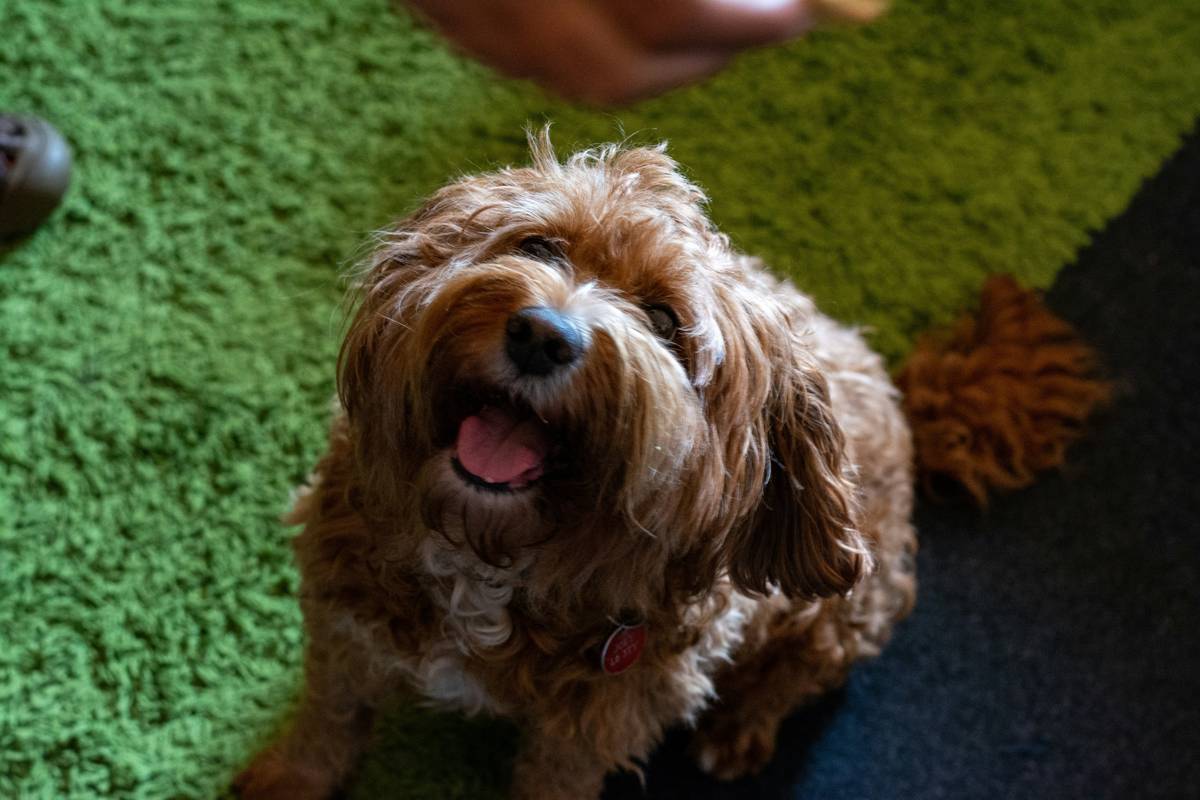
I once enrolled my terrier mix, Milo, in a popular “Basic Obedience” group class. Week after week, we showed up. He barked at every golden retriever, ignored recall commands, and I left each session exhausted and confused. No one asked what success looked like for *us*. Was it loose-leash walking? Reliable sit-stays? Reduced reactivity? Without defined outcomes, we had no way to know if we were improving—or even if the class was right for us.
This isn’t just anecdotal. According to the ASPCA’s Dog Behavior Resources, vague training goals are a leading reason pet owners abandon behavioral programs within six weeks.
Step-by-Step Guide to Tracking Progress
1. Define Your “Success Metrics” Before Day One
Ask: What specific behaviors should improve? Examples: “Responds to ‘come’ within 3 seconds in distracting environments” or “Sits calmly when another dog passes within 10 feet.” Write these down.
2. Use a Simple Logging System
Track daily mini-sessions at home and weekly class performance using a notes app or printable sheet. Note triggers, duration, and response quality—not just whether the behavior happened.
3. Schedule Biweekly Check-Ins With Your Trainer
Don’t wait until the course ends. Share your logs and ask: “Are we on track for our stated outcomes?” A good trainer will adjust drills based on real data—not assumptions.
4. Reassess After Four Sessions
If outcomes aren’t moving, it may be time to switch formats (e.g., private lessons) or trainers. Sticking it out “for the money” often costs more in lost time and frustration.
Best Practices for Better Results
- Match class size to your pet’s temperament. Reactive dogs often drown in groups of 8+. Look for “small-group” or “focused” classes (max 4–5 pets).
- Record short video clips weekly. Comparing Week 1 vs. Week 4 footage reveals subtle progress your memory might miss.
- Never skip homework. Group classes rely on consistent reinforcement between sessions. Skipping practice erases gains.
- Avoid this terrible tip: “Just show up and let the trainer handle it.” Passive participation guarantees mediocre pet training outcomes. You’re the consistency anchor.
Real-World Success Stories
A 2023 study published in the Journal of Veterinary Behavior tracked 120 dogs in group obedience courses. Groups that used structured progress logs saw **68% higher compliance rates** at 12 weeks versus those relying on verbal feedback alone (Journal of Veterinary Behavior, ScienceDirect).
One client at our SwissCats partner facility—a nervous Shih Tzu named Luna—struggled with door-greeting barking. Her owner defined her outcome as: “Sits quietly within 5 seconds of doorbell ring.” Using a weekly scoring sheet (0–5 scale), they tracked gradual improvement. By Week 6, Luna hit “Level 4” consistently. Without that clear benchmark, they might’ve labeled the class a failure too soon.
At Swiss Cats, we’ve seen similar wins with feline group sessions (yes, cats train too!). Clear outcomes prevent misaligned expectations—and wasted investment.
Frequently Asked Questions
How do I measure pet training outcomes objectively?
Use observable, time-based criteria: e.g., “Holds stay for 30 seconds with distractions” instead of “listens better.” Video logs and simple rubrics make this easy.
What if my dog regresses after group class ends?
Regression often means foundational skills weren’t solidified. Revisit core exercises for 2 weeks post-class to “lock in” gains. Consistency beats intensity.
Are group classes effective for reactive dogs?
Only with careful setup. Seek classes labeled “reactivity-focused” with barriers or spaced stations. Standard obedience groups often worsen anxiety—hurting your pet training outcomes.
How long should I wait to see real results?
Most see baseline shifts in 3–4 sessions if practicing daily. Full fluency takes 8–12 weeks. Track micro-wins weekly to stay motivated.
Can I track outcomes without a professional trainer?
Yes—but use validated resources like the Ohio State Veterinary Medical Center’s guides to ensure your benchmarks are realistic.
Does SwissCats offer progress-tracking tools?
We provide downloadable log sheets and milestone checklists to all clients. Have questions about your pet’s journey? Reach out via our Contact Us page—we’re happy to help. Review our Privacy Policy if sharing personal training data.
Great training isn’t about perfect performances—it’s about purposeful progress. When you define what success looks like, every leash tug becomes a step toward it. Ready to turn chaos into clarity? Contact us to design a plan that measures what matters.
*Sit. Stay. Grow.*