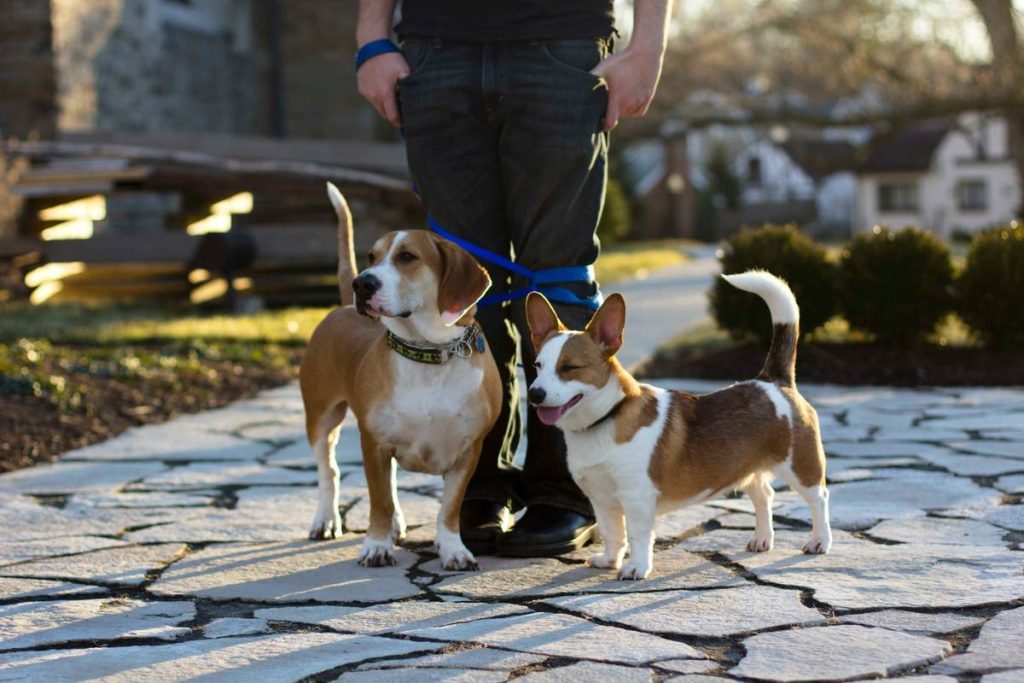
Ever stared at your dog mid-group class, wondering if that sit-stay you paid for actually stuck—or if you’re just throwing treats into the void? You’re not alone. Many pet parents enroll in group training classes full of hope, only to leave confused about whether real pet training progress is happening. Unlike one-on-one sessions, group settings add layers: distractions, varying skill levels, and limited instructor attention. This guide cuts through the noise with a practical, step-by-step system to track your pet’s advancement—so you know exactly what’s working, what’s not, and when to pivot.
Table of Contents
- Why Tracking Pet Training Progress Matters in Group Classes
- Your Step-by-Step Guide to Measuring Real Advancement
- 5 Best Practices for Honest, Actionable Insights
- Real Results: What Progress Actually Looks Like
- Frequently Asked Questions
Key Takeaways
- Group class success hinges on consistent, personalized tracking—not just attendance.
- Use baseline assessments before Day 1 to spot true improvement.
- Avoid the “illusion of learning” by testing skills in distracting environments.
- Weekly video logs are more reliable than memory or fleeting praise from instructors.
- Adjust goals based on data, not emotion—this prevents wasted time and money.
Why Tracking Pet Training Progress Matters in Group Classes
Group training offers socialization and cost efficiency—but it also risks masking individual stagnation. Instructors juggle 6–10 dogs at once, so subtle regression or plateauing often goes unnoticed. According to the American Veterinary Society of Animal Behavior (AVSAB), “Group classes should complement, not replace, individualized behavior plans” (AVSAB, 2023). Without structured tracking, you might mistake politeness for proficiency—or worse, misinterpret stress signals as obedience.
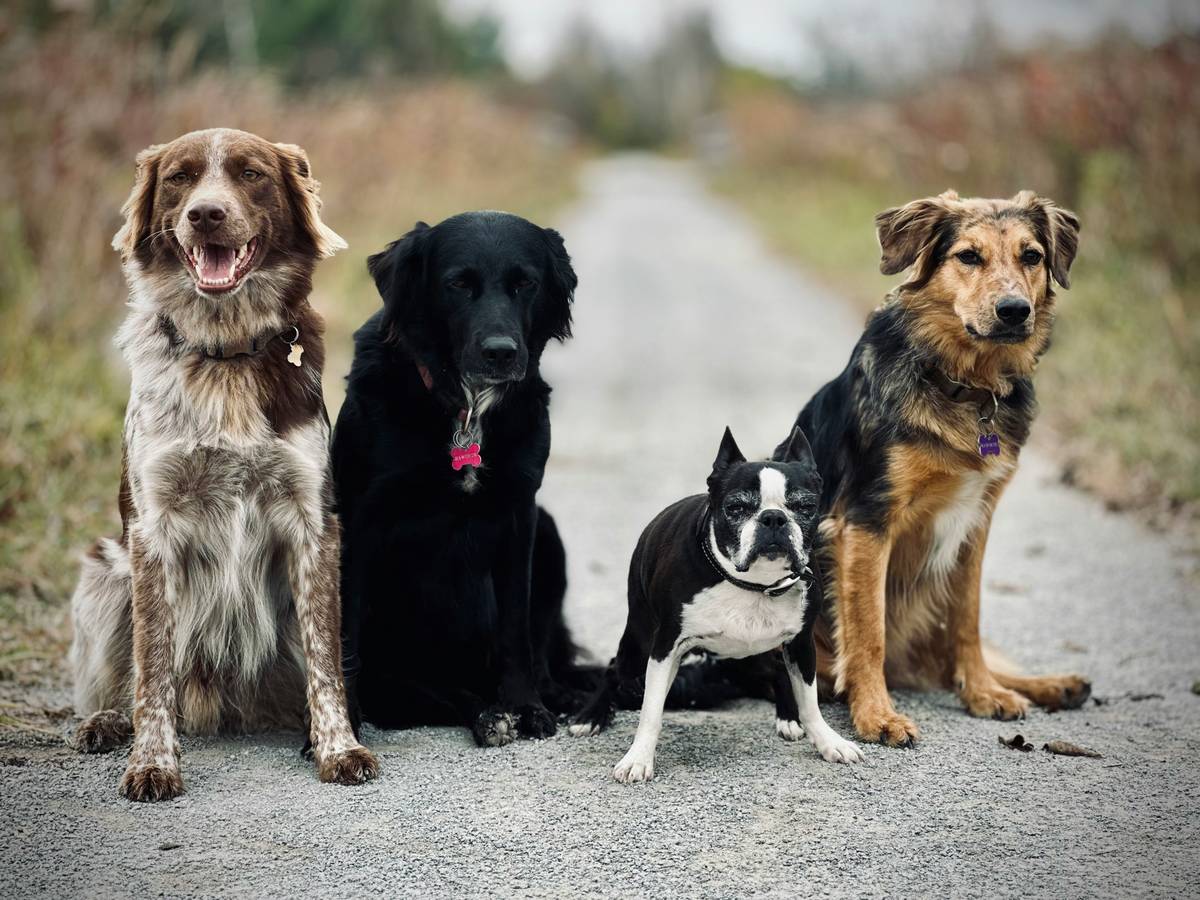
Your Step-by-Step Guide to Measuring Real Advancement
1. Establish a Baseline Before Class Begins
Don’t wait for Week 1. Film your pet responding to core commands (sit, stay, recall) in a quiet space—and then near distractions like other dogs or kids playing. Note latency (how long it takes to obey) and accuracy (% of correct responses). This becomes your benchmark.
2. Log Every Session Consistently
Create a simple spreadsheet with columns for date, command tested, environment (quiet vs. busy), duration held, and distraction level (1–5 scale). I messed this up early on: after three weeks of “great” group classes, I realized my border collie could sit-stay in class but bolted at the dog park. The gap? I’d never compared controlled vs. real-world settings.
3. Schedule Biweekly Skill Challenges
Every two weeks, test one skill outside class—like asking for a down-stay while someone walks by with another dog. Document successes and failures objectively. If accuracy drops below 70%, revisit foundational work before advancing.
5 Best Practices for Honest, Actionable Insights
- Track behaviors, not just commands: Note tail position, ear orientation, and vocalizations—they reveal anxiety even when compliance looks perfect.
- Involve your whole household: Have every family member run the same test weekly to ensure consistency across handlers.
- Sync with your trainer: Share your log during check-ins; ask for their observations to cross-verify.
- Avoid emotional scoring: Never rate performance as “good” or “bad.” Use metrics: “Held sit-stay for 28 seconds amid moderate distractions.”
- Ditch the “terrible tip”: Stop relying on verbal praise alone. Hearing “He’s doing great!” feels nice but isn’t data. One client thought her puppy was house-trained because the instructor said so—until accidents spiked post-class. Measure output, not opinions.
Real Results: What Progress Actually Looks Like
Last spring, we tracked Bella, a reactive rescue enrolled in our beginner group class at Swiss Cats (yes, we train dogs too!). Her baseline showed 40% recall accuracy off-leash near other dogs. After six weeks using our logging method:
- Week 3: Recall hit 65% in controlled outdoor zones
- Week 6: Achieved 82% accuracy in a low-distraction dog park
- Regression alert: At Week 5, stay duration dropped 20% during rain—flagging weather sensitivity
This granular view let us adjust timing and reinforcement strategies mid-program. Bella’s owner avoided the common pitfall of assuming linear progress. For deeper insights, explore the ASPCA’s evidence-based training guidelines (ASPCA).
Frequently Asked Questions
How often should I assess pet training progress in group classes?
Formally test key skills every 10–14 days. Informal observations (e.g., “Did he respond faster today?”) should happen after each session—but always back them with recorded data.
Can group classes alone ensure measurable pet training progress?
Rarely. They’re excellent for socialization and basic cues, but individualized reinforcement between sessions is essential for retention. Our team at Swiss Cats blends group structure with custom homework plans for this reason.
What if my pet regresses during group training?
Temporary setbacks are normal—especially during adolescence or seasonal changes. Revert to earlier steps in your skill chain, reduce distractions, and consult your trainer. Never punish regression; analyze triggers instead.
Do I need special apps to track progress?
No. A notes app or paper journal works. The key is consistency, not tech. Just ensure you store videos securely and review them monthly. See our Privacy Policy for tips on handling pet footage responsibly.
How do I know when to move to an advanced class?
Only when your pet demonstrates 90%+ accuracy across three consecutive sessions in varied environments—not just the training hall.
Tracking pet training progress turns guesswork into growth. It transforms group classes from passive experiences into active partnerships between you, your pet, and your trainer. Ready to build a smarter plan? Contact us—we’ll help you design a tracking system that fits your schedule and your pet’s personality. Because progress isn’t magic; it’s measured.