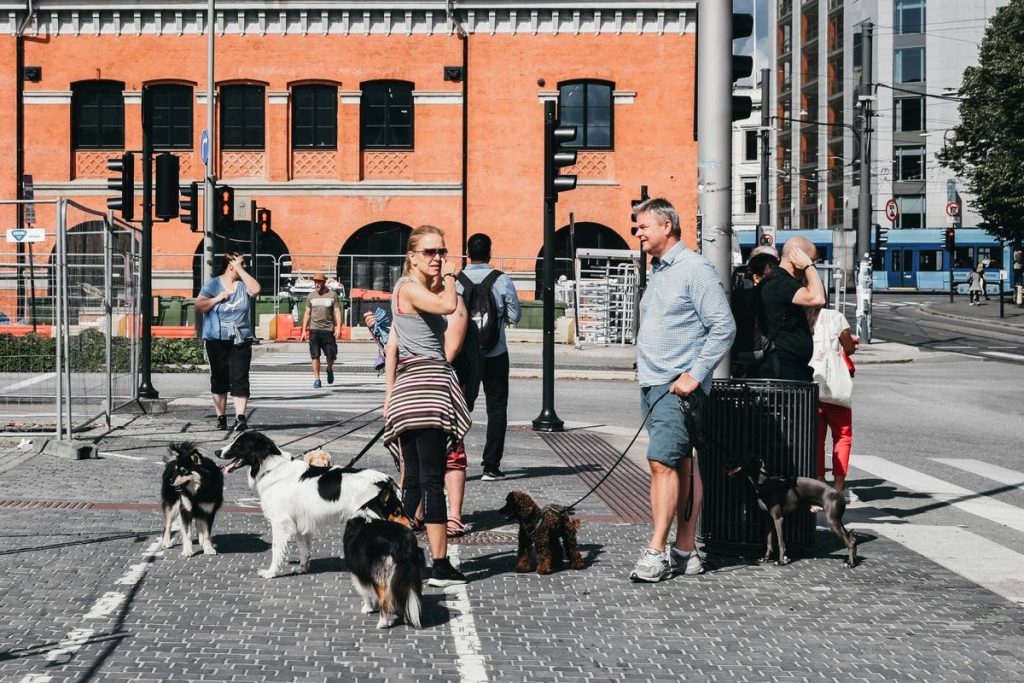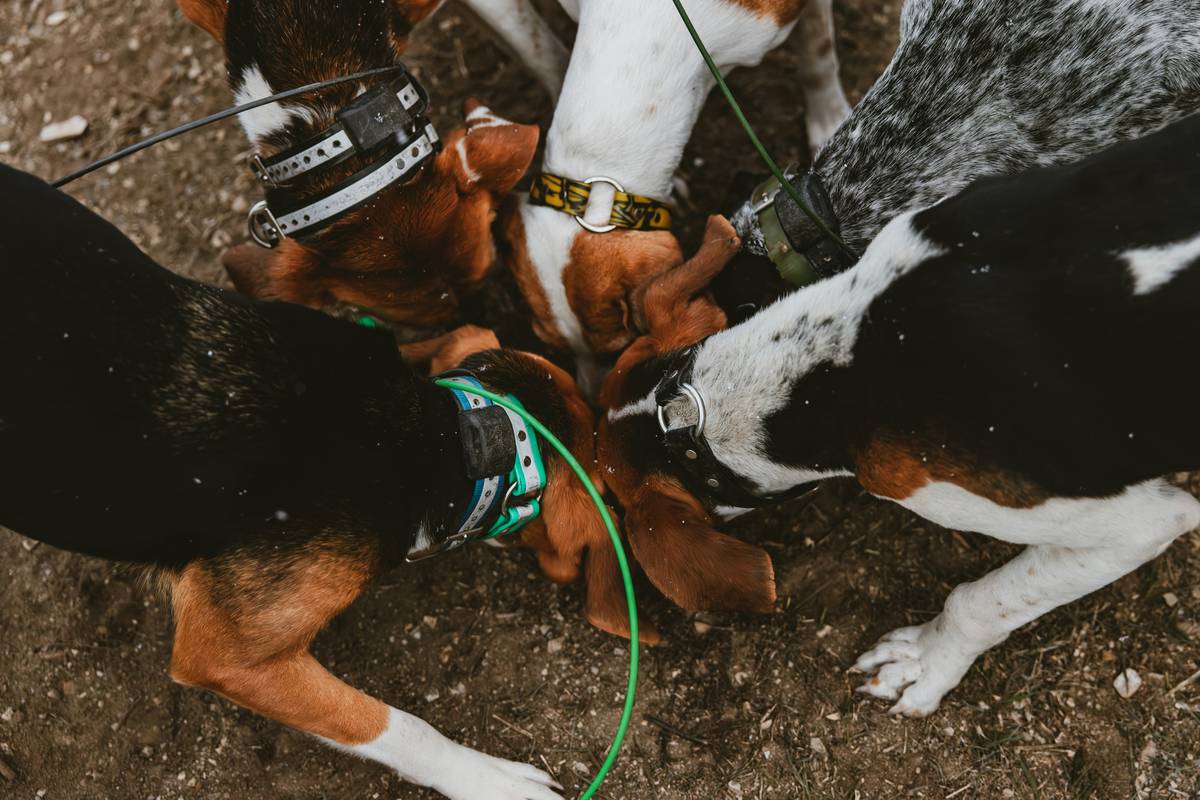
Ever watched your pup turn into a barking tornado the second another dog walks by? You’re not alone. Poor group dog interaction can derail training, spark anxiety, and even lead to aggression—especially in puppies who missed early socialization windows. But with the right approach, group training classes become golden opportunities for confidence-building and behavior correction. In this guide, we’ll walk you through everything you need to know about fostering safe, effective group dog interaction, drawn from real-world class experiences and vet-backed research.
Table of Contents
- Why Group Dog Interaction Matters
- Step-by-Step Guide to Safe Group Classes
- Best Practices for Positive Experiences
- Real Results from Group Training
- FAQs About Group Dog Interaction
Key Takeaways
- Controlled group settings teach dogs to read social cues and regulate arousal.
- Not all dogs are ready for group classes—assess temperament first.
- Consistency, timing, and trainer expertise dramatically impact outcomes.
- Poorly managed interactions can reinforce fear or reactivity.
- Always pair group exposure with positive reinforcement, never punishment.
Why Group Dog Interaction Matters
At its core, group dog interaction isn’t just about play—it’s structured social education. Puppies between 3–14 weeks are in a critical socialization period (per the American Veterinary Society of Animal Behavior). Without positive exposure to dogs, people, and novel environments during this window, they’re far more likely to develop fear-based behaviors later.
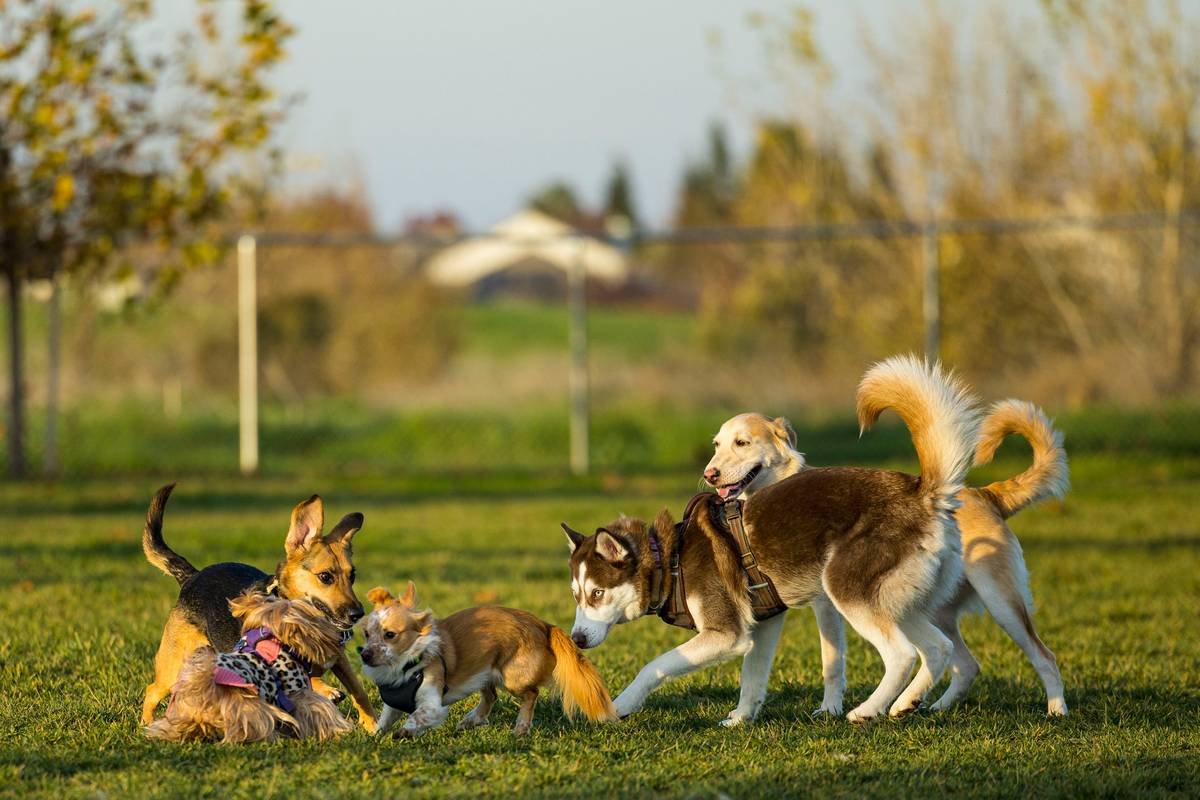
I learned this the hard way. Early in my training career, I enrolled a reactive Border Collie mix named Kip into a high-energy “puppy party” class. Within minutes, he lunged at a Labrador, overwhelmed by noise and movement. The class didn’t screen for reactivity, and the chaos reinforced his fear. It took months of one-on-one work to undo that damage. Lesson? Not every dog belongs in every group—and that’s okay.
Step-by-Step Guide to Safe Group Classes
1. Assess Your Dog’s Readiness
Is your dog comfortable around strangers? Do they recover quickly from mild stressors? If not, start with private sessions first. Reputable trainers will require a temperament evaluation before enrollment.
2. Choose the Right Class Format
Look for small groups (ideally 4–6 dogs), structured curricula, and force-free methods. Avoid “free-for-all” play sessions masquerading as training. The ASPCA recommends classes that emphasize positive reinforcement and manage arousal levels (ASPCA Dog Socialization Guide).
3. Master the “Reset Cue”
Teach your dog a reliable “look at me” or “touch” command before class. This gives them an off-switch when overstimulated—critical during intense group dog interaction moments.
4. Monitor Body Language Relentlessly
Stiff posture, whale eye (showing whites of eyes), or tucked tail aren’t “being shy”—they’re stress signals. Remove your dog immediately if you see these.
Best Practices for Positive Experiences
- Keep sessions short: 30–45 minutes max to prevent fatigue-induced reactivity.
- Use high-value treats: Real meat or cheese beats kibble in distracting environments.
- Avoid nose-to-nose greetings on leash: This often triggers tension. Opt for parallel walking instead.
- Never punish growling: Growling is communication—not aggression. Suppressing it removes a vital warning sign.
- Debrief after class: Note what triggered stress and share it with your trainer.
And here’s a terrible tip I’ve heard too often: “Just throw them in the deep end—they’ll figure it out!” Nope. Forced exposure without support creates trauma, not confidence. Trust is earned, not flooded.
Real Results from Group Training
In a 2022 study published in Animals, dogs attending structured group classes with positive reinforcement showed a 68% reduction in fear responses after six weeks compared to control groups (MDPI Journal Study). One of my clients, Lena, brought her anxious Shiba Inu, Miso, to a Swiss-certified class using these principles. After eight weekly sessions focusing on calm group dog interaction, Miso went from hiding under benches to greeting new dogs with loose wags and play bows.
Your journey starts with the right foundation. Learn more about our philosophy and certified trainers on our About Us page.
FAQs About Group Dog Interaction
Can older dogs benefit from group training classes?
Absolutely. While early socialization is ideal, adult dogs can still learn social skills—just at a slower pace. Look for “manners” or “reactivity rehab” classes designed for mature dogs.
How do I know if a trainer uses humane methods?
Ask if they use aversive tools (shock collars, prong collars) or dominance theory. Ethical trainers rely on science-based, reward-focused techniques. Check credentials like CPDT-KA or IAABC membership.
What if my dog snaps during class?
Immediately disengage and create distance. Don’t scold—they’re communicating distress. A good trainer will adjust the environment, not blame the dog.
Are group classes better than dog parks for socialization?
Yes. Dog parks lack structure and supervision. Group classes offer controlled exposure with professional guidance—far safer for learning appropriate interaction.
How often should we attend group sessions?
Once a week is standard. Consistency matters more than frequency. Pair it with daily short practice at home.
Does SwissCats offer group dog training?
We specialize in feline wellness but partner with certified canine behaviorists across Switzerland. Contact us for trusted local referrals. Your data is protected per our Privacy Policy.
Remember: great socialization isn’t about how many dogs your pup meets—it’s about how safely they learn to navigate the world together. One calm sniff at a time.