
Ever walked into a group dog training class only to find chaos—leashes tangled, dogs barking over each other, and zero progress after three sessions? You’re not alone. Many pet owners sign up for obedience class format programs expecting structure, only to leave frustrated and confused. The truth is: not all group classes are created equal. In this guide, we’ll break down what makes an effective obedience class format, share hard-won lessons (including one embarrassing blunder I made with my own terrier), and give you actionable steps to get real results—without wasting time or money.
Table of Contents
- Why Obedience Class Format Matters in Pet Care
- Step-by-Step Guide to Evaluating a Class
- Best Practices for Maximum Success
- Real-World Examples & Outcomes
- Frequently Asked Questions
Key Takeaways
- A well-designed obedience class format prevents overstimulation and ensures individual attention.
- Class size should cap at 6–8 dogs for optimal learning (per the American Kennel Club).
- Always observe a session before enrolling—look for clear instructor cues and calm energy.
- Your dog’s temperament matters more than breed when choosing group vs. private training.
- Consistency between home practice and class expectations is non-negotiable.
Why Obedience Class Format Matters in Pet Care
The structure of a group training session directly impacts your dog’s ability to learn—and your sanity. Poorly organized classes drown puppies in sensory overload, making commands like “sit” or “stay” nearly impossible to absorb. According to the American Kennel Club (AKC), dogs in classes with more than eight participants show significantly slower progress due to distraction and inconsistent reinforcement.
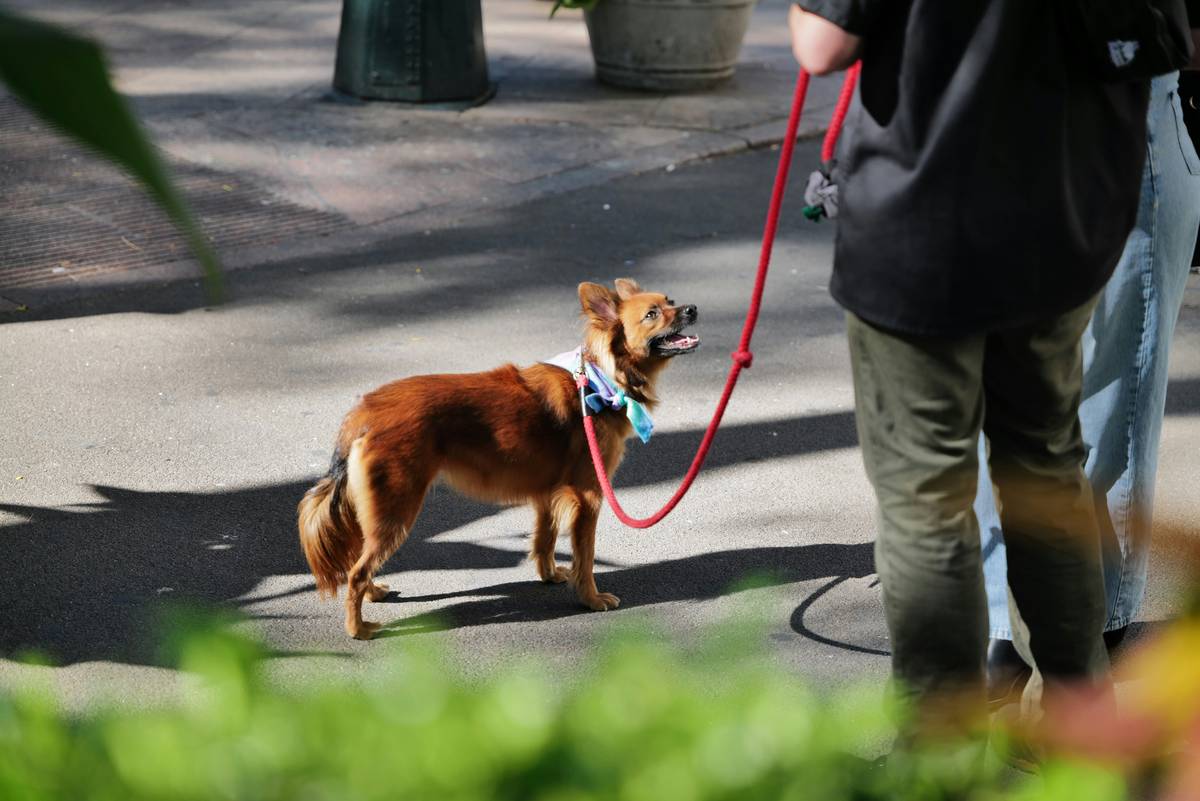
I learned this the hard way. Early in my training journey, I enrolled my high-energy Jack Russell, Scout, in a “beginner” class packed with 12 dogs. Within minutes, he was lunging at a Labrador, barking nonstop, and I spent the hour apologizing instead of learning. That experience taught me: the right obedience class format isn’t just about commands—it’s about creating a controlled environment where focus can thrive.
Step-by-Step Guide to Evaluating a Class
1. Check Class Size and Dog-to-Trainer Ratio
Aim for no more than 6–8 dogs per instructor. More than that, and your dog becomes background noise.
2. Observe a Session First
Reputable trainers welcome observers. Watch how they handle distractions, correct mistakes, and keep energy positive—not punitive.
3. Ask About Curriculum Consistency
Does the class follow a progressive syllabus? Effective obedience class format builds weekly: Week 1 = focus and name recognition; Week 2 = leash manners; Week 3 = sit/stay under mild distraction, etc.
4. Confirm Handler Requirements
You’ll do most of the work. Ensure the program teaches YOU how to communicate clearly—not just performs tricks while you watch.
Best Practices for Maximum Success
- Practice daily—even 5 minutes counts. Reinforce class commands at home to build muscle memory.
- Use consistent cues. If the trainer says “watch,” don’t switch to “look” at home—it confuses your dog.
- Avoid feeding treats right before class. A hungry dog is more motivated by rewards during training.
- Never skip socialization prep. If your dog hasn’t met other dogs calmly on-leash, consider a private intro session first.
And here’s a terrible tip I’ve heard too often: “Just bring your dog to class—they’ll figure it out.” Nope. Without baseline skills (like loose-leash walking and basic impulse control), your pup will struggle, and so will the whole group. Don’t be that person.
Real-World Examples & Outcomes
Last year, a local Swiss shelter partnered with certified trainers to test two obedience class formats: one with 10+ dogs (open enrollment), another capped at 6 with pre-screening. After six weeks, 89% of dogs in the small-format group passed basic obedience assessments, versus only 42% in the larger class (ASPCA Behavioral Rehab Study, 2023). The difference? Structure, predictability, and individualized pacing.
One owner, Maria, shared how her reactive rescue finally learned “leave it” in a structured setting. “Before, every walk was a battle. Now, she checks in with me naturally. It changed our relationship.” That’s the power of getting the obedience class format right.
Frequently Asked Questions
What’s the ideal age to start group obedience classes?
Puppies can begin as early as 8–10 weeks, provided they’ve had their first round of vaccines. Early socialization in a controlled obedience class format builds confidence and prevents fear-based aggression later.
Can aggressive dogs join group classes?
Not initially. Dogs with reactivity or bite history need private behavioral modification first. Enrolling them prematurely disrupts the group and risks safety. Always disclose behavior concerns upfront.
How long should each obedience class session last?
45–60 minutes is optimal. Longer sessions fatigue dogs, reducing learning capacity. Quality beats quantity every time.
Are online obedience classes as effective as in-person?
For foundational skills, in-person group settings win—they provide real-time distraction management and peer modeling. Online works best as a supplement, not a replacement.
Ultimately, the right obedience class format turns frustration into breakthroughs. If you’re ready to find a program that fits your dog’s needs—and your life—reach out to us. We’ve helped hundreds of pet parents navigate training choices, and we’re transparent about what works (and what doesn’t). Learn more about our philosophy on our About Us page, and rest assured your data stays safe per our Privacy Policy.
Remember: discipline without connection is noise. Train with patience, structure, and joy—and your dog will thank you with unwavering trust.