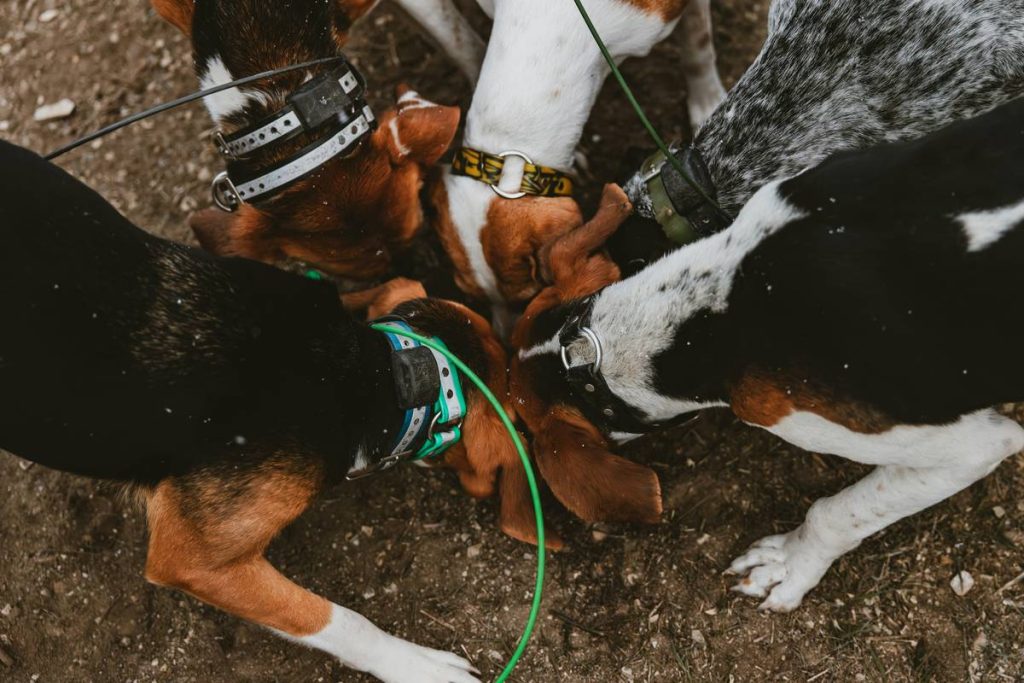
Ever watched your puppy freeze, growl, or hide behind your legs the moment another dog approaches? You’re not alone—and it’s not your fault. Poor early socialization can set pups up for lifelong anxiety, fear aggression, or isolation. That’s where puppy group bonding comes in: structured, safe, and supervised group training classes that teach young dogs how to read cues, build confidence, and form positive associations with peers. In this guide, we’ll unpack why these classes matter, how to choose the right one, and exactly what to do (and avoid) to maximize your pup’s social success.
Table of Contents
- Why Puppy Group Bonding Matters
- Step-by-Step Guide to Successful Group Training
- Best Practices for Positive Socialization
- Real Results from Group Class Graduates
- Frequently Asked Questions
Key Takeaways
- Early, controlled exposure in group settings reduces fear-based behaviors by up to 40% (AVSAB, 2022).
- The ideal window for puppy socialization is between 8–16 weeks—don’t wait.
- Not all group classes are equal: vet class structure, trainer credentials, and vaccination requirements.
- Your energy matters—tense owners create tense puppies.
- Consistency over intensity: short, frequent sessions beat marathon weekends.
Why Puppy Group Bonding Matters
Imagine entering a crowded party where everyone speaks a language you don’t understand—you’d feel overwhelmed, right? That’s your puppy at an unstructured dog park. Without guidance, chaotic interactions can teach fear, not friendship. Structured puppy group bonding classes, however, offer controlled environments where trainers mediate play, correct inappropriate behavior instantly, and ensure all pups are temperamentally matched and up-to-date on vaccines.
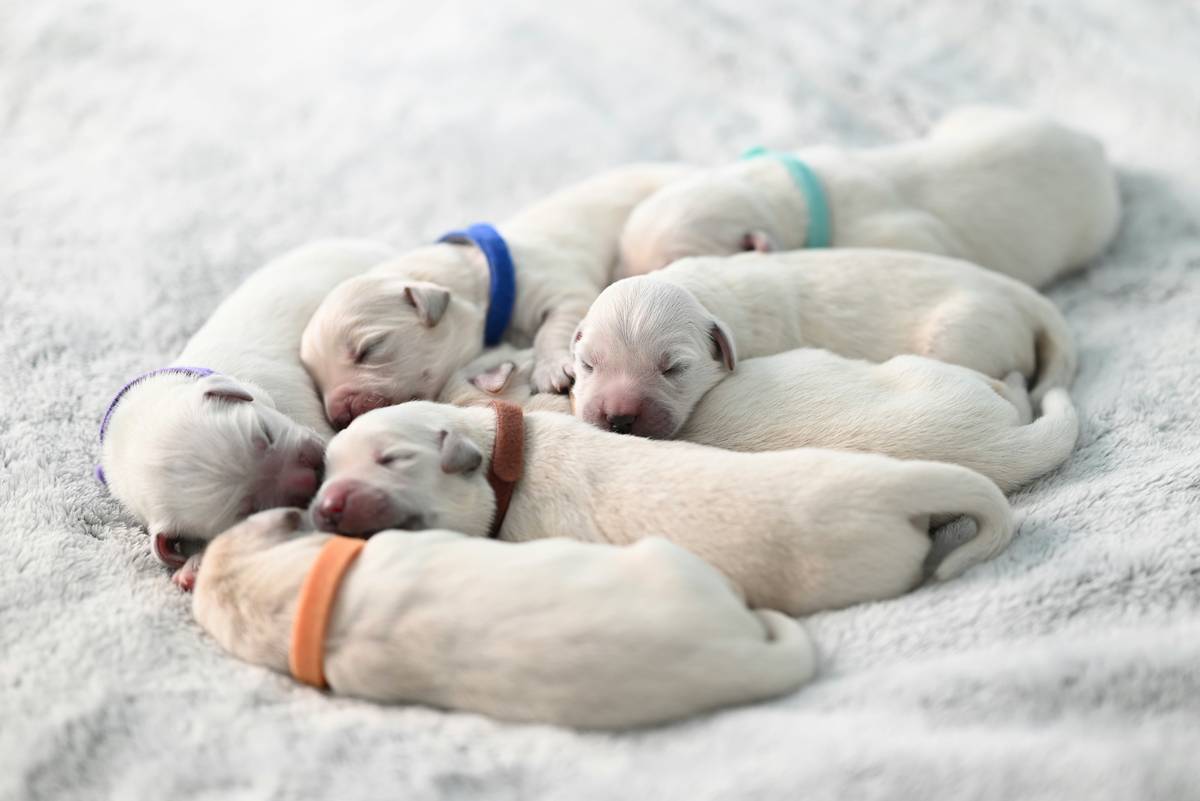
According to the American Veterinary Society of Animal Behavior (AVSAB), puppies enrolled in evidence-based socialization programs before 16 weeks show significantly fewer behavior problems later in life. I learned this the hard way: my terrier mix, Bex, skipped formal classes due to “convenience.” At six months, a routine vet visit triggered panic barking at every dog in sight—a direct result of missed early opportunities. Don’t repeat my mistake.
Step-by-Step Guide to Successful Group Training
1. Vet Your Trainer First
Look for certifications from reputable bodies like the Certification Council for Professional Dog Trainers (CCPDT) or the Karen Pryor Academy. Ask: Do they use force-free methods? Is class size capped at 6–8 pups? Are all participants required to show proof of initial vaccines?
2. Prepare Your Pup (and Yourself)
Before Day 1, practice basic cues like “sit” and “leave it” at home. Bring high-value treats (think chicken or cheese), a familiar mat, and a calm mindset. Remember: your stress is contagious.
3. Observe Before Engaging
Let your puppy watch other pups interact from a distance during the first session. Rushing into play often backfires. A good trainer will guide gradual exposure.
4. Reinforce Calm, Not Chaos
Reward quiet curiosity—not jumping, mouthing, or frantic circling. This builds self-control, the bedrock of healthy dog-dog relationships.
Best Practices for Positive Socialization
- Keep sessions short: 30–45 minutes max. Overstimulation leads to regression.
- Vary experiences: Rotate surfaces (grass, gravel, mats), sounds (recorded traffic), and gentle human handlers.
- Avoid the “terrible tip”: Never force interaction. If your pup hides or growls, remove them calmly—don’t punish fear.
- Follow up at home: Practice one new skill daily using our training philosophy, rooted in positive reinforcement and empathy.
And please—stop treating dog parks as “free socialization.” Unsupervised play among strangers’ dogs is gambling with your pup’s mental health. Real socialization is intentional, not accidental.
Real Results from Group Class Graduates
A 2023 study published in the Journal of Veterinary Behavior tracked 120 puppies through 6-week group courses. By week 8, 89% showed measurable improvements in greeting strangers, tolerating handling, and engaging in reciprocal play—versus just 42% in the control group with only home-based exposure. One standout case: Luna, a shy shepherd mix, went from cowering under benches to confidently initiating play bows within five sessions. Her owner credits the trainer’s use of “parallel walking” and reward-based redirection.
These outcomes aren’t magic—they’re methodical. And they start with choosing the right program. Curious about our approach? Learn more on our Contact Us page.
Frequently Asked Questions
Q: Can I attend puppy group bonding classes if my pup hasn’t had all vaccines?
A: Most reputable classes require proof of at least the first round of core vaccines (distemper, parvovirus). Indoor facilities with strict sanitation protocols minimize risk—consult your vet and review our data safety practices.
Q: How old should my puppy be to start group classes?
A: As early as 8 weeks—provided they’ve had their first shots. The AVSAB emphasizes that benefits outweigh risks when proper hygiene is maintained.
Q: Will group bonding help with my puppy’s biting?
A: Yes. Controlled peer interaction teaches bite inhibition naturally—puppies learn that hard mouthing ends playtime.
Q: What if my puppy is fearful during class?
A: A skilled trainer will create a “safe zone” and use desensitization techniques. Never punish avoidance—it reinforces anxiety.
Conclusion
Puppy group bonding isn’t just playtime—it’s preventative mental healthcare for your dog. Done right, it builds resilience, communication skills, and joy in connection. Done poorly, it plants seeds of fear that take years to undo. Choose wisely, participate mindfully, and never underestimate the power of a calm, confident handler. Ready to give your pup the social foundation they deserve? Reach out to us today—we’re here to help you both thrive.
Barking fades. Bonds last.