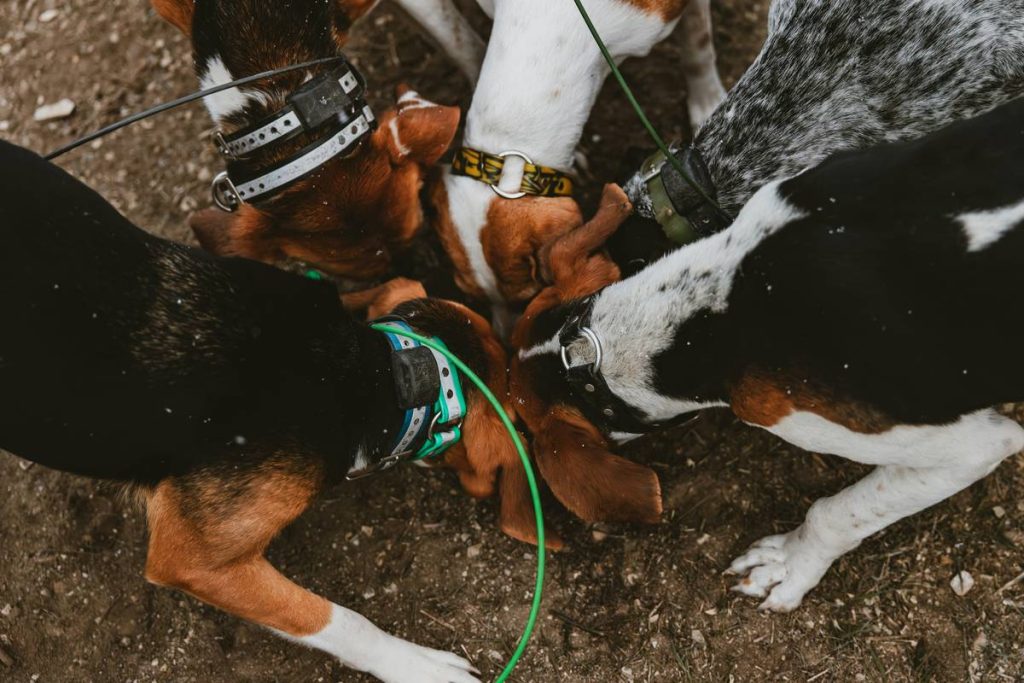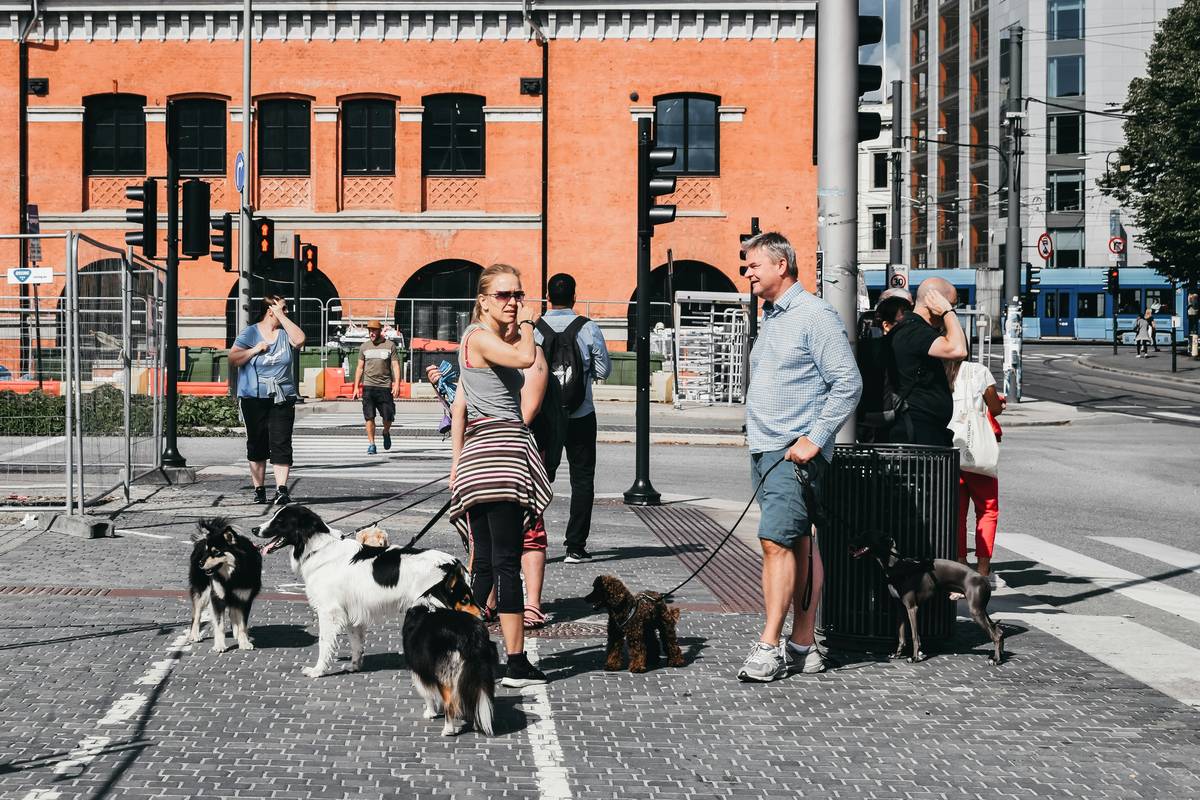
Ever watched your pup freeze—or worse, lunge—at the sight of another dog? You’re not alone. Poor socialization can lead to anxiety, aggression, and missed bonding opportunities. That’s where a structured dog social skills class comes in. Unlike chaotic dog parks or random meetups, these group sessions are carefully designed to build confidence, teach boundaries, and foster positive interactions under expert guidance. In this guide, we’ll walk you through everything you need to know—from spotting red flags in training programs to implementing real-world tactics that actually work. Whether you’ve got a shy puppy or a reactive adolescent, the right approach can transform their social life.
Table of Contents
- Why Dog Socialization Matters (And When to Start)
- Step-by-Step Guide to Choosing and Joining a Class
- Best Practices for Maximizing Results
- Real-World Success Stories
- Frequently Asked Questions
Key Takeaways
- Early, controlled exposure in a dog social skills class reduces long-term behavioral issues.
- Look for certified trainers who use force-free, reward-based methods.
- Avoid overcrowded or unstructured group sessions—they do more harm than good.
- Consistency and post-class practice are critical for lasting change.
- Not all dogs benefit from group settings; assess temperament first.
Why Dog Socialization Matters (And When to Start)
Socialization isn’t just about “playing nice.” It’s about teaching your dog how to interpret body language, manage stress, and respond appropriately in unpredictable situations—skills that prevent fear-based aggression later in life. According to the American Veterinary Society of Animal Behavior (AVSAB), the primary socialization period for puppies closes around 16 weeks of age. Missing this window doesn’t mean all hope is lost, but it does make progress slower and more nuanced.
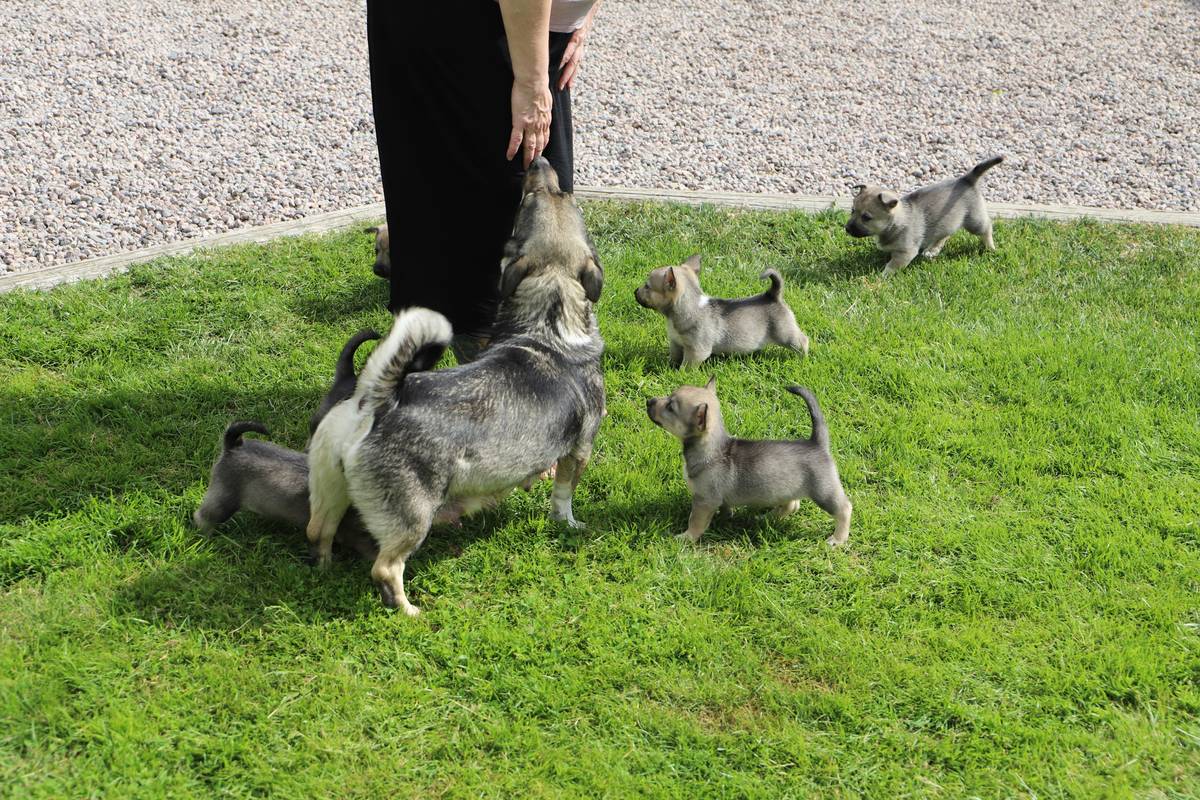
I learned this the hard way. I once enrolled my terrier mix, Milo, in a drop-in “all-levels” group class that promised “fun and freedom.” Within minutes, a much larger dog overwhelmed him, triggering a full-blown panic response. Milo didn’t just bark—he snapped. The instructor shrugged and said, “He’ll get over it.” Spoiler: He didn’t. It took months of private rehab to undo that trauma. That’s why structure, size limits, and professional oversight aren’t optional—they’re essential.
Step-by-Step Guide to Choosing and Joining a Class
1. Assess Your Dog’s Temperament First
Is your dog reactive, fearful, or overly excited around others? Honest self-assessment prevents setbacks. If your dog has a bite history or severe anxiety, consult a behaviorist before enrolling.
2. Vet the Trainer’s Credentials
Look for certifications from reputable bodies like the International Association of Animal Behavior Consultants (IAABC) or the Certification Council for Professional Dog Trainers (CCPDT). Avoid anyone using shock collars, alpha rolls, or dominance theory—they’re outdated and harmful.
3. Tour the Class (Virtually or In-Person)
Observe a session if possible. Are dogs given space? Is there a clear curriculum? Are corrections gentle and timely? A quality dog social skills class prioritizes safety over spectacle.
4. Start Small and Consistent
Begin with short sessions (30–45 minutes) once a week. Overloading leads to burnout—for both you and your dog.
Best Practices for Maximizing Results
- Practice between sessions: Reinforce skills on walks or quiet outings. Real-world application cements learning.
- Use high-value rewards: Cooked chicken or cheese beats kibble when distractions are high.
- Never force interaction: Let your dog observe from a distance if they’re hesitant. Pressure breeds resentment.
- Avoid the “terrible tip”: Don’t let dogs “work it out” during scuffles. Intervention prevents rehearsal of bad habits.
Here’s my pet peeve: trainers who treat dog socialization like a free-for-all doggy daycare. Socialization isn’t exposure—it’s positive exposure. Throwing dogs into chaos and calling it “training” is lazy and dangerous. Real skill-building happens in controlled, incremental steps—not in a whirlwind of barking and sniffing.
Real-World Success Stories
Take Luna, a rescued border collie who cowered at sidewalk shadows. Her owner enrolled her in a structured dog social skills class with a 6-dog max and graduated after eight weeks. By session five, Luna was initiating play bows. Today, she hikes off-leash with dog friends. Data backs this up: a 2020 study published in Applied Animal Behaviour Science found that puppies in positive-reinforcement group classes showed 40% fewer fear responses at 12 months compared to unsocialized peers (source).
At Swiss Cats, we may specialize in feline wellness, but we deeply respect cross-species behavioral science. Our team stays updated through partnerships with veterinary behaviorists—and we always refer clients to ethical dog professionals. Learn more about our mission on our About Us page.
Frequently Asked Questions
What age should my dog start a dog social skills class?
Puppies can begin as early as 8–10 weeks, provided they’ve had their first round of vaccines. Adult dogs can join specialized classes anytime—but ensure the program matches their current skill level.
Are group classes better than one-on-one training?
For socialization goals, yes—because they simulate real-world scenarios with multiple dogs and people. However, dogs with aggression issues may need private sessions first. Always consult a professional.
How many dogs should be in a session?
Ideal class size is 4–8 dogs. Larger groups reduce individual attention and increase overstimulation risks.
Can I run my own dog social skills class at home?
Not recommended. Without proper knowledge of canine body language and escalation signals, well-meaning owners often miss subtle stress cues, leading to negative associations.
What if my dog fails to improve?
Progress isn’t linear. Some dogs need alternative approaches. Reach out to us at Contact Us—we’ll help connect you with trusted local resources.
Do you share my data if I sign up for recommendations?
No. We never sell or share personal information. Review our full policy at Privacy Policy.
Building true social fluency takes patience, precision, and the right environment. A thoughtful dog social skills class isn’t just a class—it’s a foundation for a lifetime of calm, confident encounters. Ready to find the perfect fit for your pup? Contact us for personalized guidance.
Paws pause, tails wag slow—
Trust grows where safe spaces flow.
Class begins not with noise, but with “hello.”